Kitchen Renovation
Kitchen Renovation Cost in Dubai: What Affects the Price?
A focused cost guide explaining the decisions that usually change kitchen renovation pricing in Dubai.
Renovator advice
Want help with this project?
Share your space and goals with Renovator on WhatsApp.
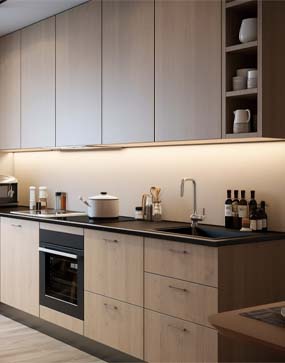
Why Kitchen Renovation Prices Vary
Kitchen renovation cost in Dubai varies because kitchens can be renovated at very different levels. A basic refresh may involve repainting or refacing cabinets, replacing handles, updating the backsplash, changing the sink and mixer, adding lights, and repairing walls. A standard renovation may include new cabinets, countertop, backsplash, plumbing adjustments, lighting, and painting while keeping the same layout. A full remodel may include custom joinery, premium hardware, stone or porcelain countertops, appliance integration, layout changes, electrical upgrades, flooring, and detailed finishing.
If you are still defining the full scope, read the main kitchen renovation in Dubai guide first, then use this page to understand the cost drivers.
The kitchen is one of the most expensive rooms to renovate because many trades meet in one compact space. Cabinetry, countertop fabrication, plumbing, electrical work, appliances, tiling, lighting, painting, and final installation all need to coordinate. A small apartment kitchen can still carry a significant cost because the work is detailed. A larger villa kitchen can become expensive because of size, premium materials, islands, tall storage, and multiple appliance zones.
The right question is not “What is the average kitchen price?” The better question is “What is included in this kitchen scope?” Once the scope is clear, prices become easier to understand and compare.
Cost Ranges as Planning Guidance
Published Dubai kitchen renovation ranges are broad because finish level and scope make a major difference. A light refresh may sit at the lower end if the existing layout, cabinets, and services are mostly retained. A mid-range renovation with new cabinets, practical countertop, backsplash, lighting, and minor MEP work sits higher. A premium kitchen with custom cabinetry, integrated appliances, stone surfaces, layout changes, island work, and upgraded lighting can cost much more.
Use ranges only as early planning guidance, not as a final quote. The same kitchen can price differently depending on cabinet height, number of drawers, hardware quality, countertop material, backsplash area, appliance integration, and site condition. A quote based only on photos may still need confirmation after measurement and design approval.
The best estimate separates major cost areas: demolition, cabinet supply and installation, countertop, backsplash, sink and mixer, plumbing, electrical, lighting, appliances, painting, disposal, and final snagging. If these are not separated, it is hard to know what is driving the total.
Use the kitchen renovation cost calculator when you want an indicative AED range before sharing photos, cabinet dimensions, and material preferences.
Cabinets Are Usually the Main Driver
Cabinets often account for a large part of kitchen renovation cost because they define the layout, storage, visible finish, and daily function. The cabinet cost depends on the total linear length, height, board type, door finish, drawers, hinges, runners, handles, internal accessories, tall units, glass panels, open shelves, and installation detail.
Drawers usually cost more than simple hinged cabinets because they require stronger hardware and more precise installation. Tall pantry units, appliance garages, corner accessories, pull-out bins, spice racks, and internal organizers also add cost. These features can be worthwhile when they solve real storage problems, but they should be chosen intentionally.
Finish type matters. Laminate can be practical and cost-effective. Acrylic can create a glossy modern look. Painted finishes can look refined but need proper preparation. Veneer adds warmth and texture but may cost more and require more care. The cheapest cabinet option is not always the best value if the hardware, edge finishing, or installation quality is weak.
Countertops and Fabrication
Countertops affect both the look and the budget. Laminate is usually more affordable. Quartz is popular for its consistent appearance and practical performance. Granite and marble bring natural variation, though natural stone can require more maintenance. Porcelain, sintered stone, and compact surfaces can create a premium look but need skilled fabrication and handling.
The cost is not only the material per square meter. Edge profile, thickness, sink cutout, hob cutout, drainer grooves, waterfall sides, backsplash return, transport, and installation all matter. A simple straight countertop costs less than a countertop with multiple cutouts, joins, special edges, or island waterfall details.
Countertop timing is important. In many projects, final measurements are confirmed after cabinets are installed because the countertop must fit precisely. If countertop selection is delayed, the kitchen timeline may stretch. If the cabinets are not level or strong enough, countertop installation can be affected.
Plumbing and Electrical Scope
Plumbing and electrical changes can move the price significantly. Keeping the sink and dishwasher in the same location is usually simpler. Moving them may improve the layout, but it requires checking drainage, water lines, wall routes, and building constraints. The benefit should justify the cost and complexity.
Electrical planning is equally important. Modern kitchens need enough sockets for appliances and daily use. Built-in ovens, hobs, hoods, dishwashers, fridges, washing machines, microwaves, coffee machines, and small appliances all need planning. Under-cabinet lighting, pendant lights, LED profiles, and task lights may need new points or switches.
These decisions should happen before fabrication. If electrical or plumbing changes are requested after cabinets are made, modifications become more difficult and may cost more. A good kitchen estimate should explain whether MEP adjustments are included or excluded.
Appliances and Integration
Appliances can be supplied by the homeowner or included in a wider renovation plan, but either way they affect the cost. Built-in appliances require accurate cabinet dimensions. Integrated fridge or dishwasher panels require planning. Hobs and sinks affect countertop cutouts. Extractors affect ventilation and upper cabinet design. Even a microwave needs a suitable location, ventilation, and power.
Choosing appliances late can delay the renovation. Cabinetry may need dimensions before fabrication. Countertop cutouts may need sink and hob models. Electrical loads may depend on appliance requirements. If the kitchen includes a washing machine or dishwasher, plumbing and drainage must be coordinated.
Budget planning should also include accessories: sink, mixer, waste bin, cutlery tray, lighting profiles, handles, and sometimes appliance panels. These details are small individually but can add up.
Backsplash, Walls, and Finishing
The backsplash is often underestimated. It protects the wall and visually ties the cabinets and countertop together. Tile is common, but stone-look slabs, porcelain sheets, glass, and easy-clean panels may also be used. Cost depends on material, area, cutting, grout, adhesive, trims, and installation complexity.
Walls may need repair and painting after old cabinets are removed. If the layout changes, patches and preparation are likely. Ceiling lights may need adjustment. Skirting, trims, silicone, and edge details should be part of the finish plan. A kitchen can feel incomplete if these items are treated as afterthoughts.
Ask whether final touch-ups, silicone, cleaning, and snagging are included. The difference between a basic installation and a polished kitchen is often in the finishing details.
Site Conditions and Access
Dubai apartments and villas have different logistics. Apartment buildings may require service lift booking, protection of common areas, parking arrangements, work-hour compliance, and disposal coordination. Villas may be easier for delivery but may have larger work areas and more rooms affected by dust. Occupied homes need extra protection and sequencing.
Existing condition also matters. Old cabinets may hide damaged walls. Plumbing may need repair. Electrical points may not be suitable for the new layout. Floors or walls may be uneven. Moisture or pest damage can appear after dismantling. These issues should be handled properly, even if they add cost, because they affect the life of the new kitchen.
This is why a contingency is sensible. It does not mean the budget should be open-ended. It means allowing room for existing-condition discoveries without compromising the final work.
How to Compare Kitchen Quotes
When comparing kitchen renovation quotes, check the cabinet material, door finish, hardware brand or quality level, drawer count, countertop material, backsplash, plumbing scope, electrical scope, lighting, painting, disposal, and installation detail. If one quote includes countertop and another does not, the totals cannot be compared. If one includes soft-close hardware and another uses basic hinges, the feel and durability may differ.
Ask whether drawings or layouts are included before fabrication. Ask how changes are handled. Ask what happens if appliance dimensions change. Ask what is excluded. A clear quote should reduce uncertainty, not create more questions.
The lowest quote can be attractive, but kitchen renovation is used every day. Poor cabinet alignment, weak hardware, bad countertop joints, insufficient sockets, or poor lighting can become daily frustrations. Value comes from the right balance of price, scope, material, and workmanship.
Cost-Saving Without Cutting Corners
There are sensible ways to manage kitchen cost. Keep the plumbing layout if it already works. Use durable mid-range cabinet finishes instead of premium finishes everywhere. Choose practical countertops rather than the most expensive surface. Simplify the backsplash. Use open shelves only where they add real value. Avoid unnecessary layout changes. Phase decorative upgrades if needed.
Do not save money by weakening preparation, hardware, electrical safety, plumbing quality, or installation accuracy. These are the parts that affect long-term performance. It is better to simplify the design than compromise the basics.
What to Send for an Estimate
Send clear photos of the kitchen, approximate dimensions, appliance list, preferred style, inspiration images, and notes about what is not working today. Mention whether you want to keep the same layout, whether the home is occupied, and whether painting, flooring, or wall changes are also required. Renovator can then advise whether your kitchen needs a light refresh, standard renovation, or full custom remodel.
Questions to Ask Before Approving the Kitchen Quote
Before approving a kitchen renovation quote, ask whether the cabinet carcass material, door finish, edge banding, hinges, drawer runners, handles, countertop, sink, mixer, backsplash, lighting, plumbing, electrical work, painting, disposal, and snagging are included. Ask whether the quote assumes the same layout or includes moving services. Ask whether appliance dimensions are confirmed or still provisional. Ask whether final site measurement happens before fabrication.
Also ask how the kitchen will be protected if the home is occupied. If the kitchen is the only cooking area, discuss downtime and temporary arrangements. Ask when the countertop will be measured, when backsplash work happens, and when appliances are installed. These schedule details help you understand the practical impact of the renovation, not only the price.
If the quote gives one total without enough detail, request a clearer breakdown. You do not need every screw listed, but you should understand the main cost groups. A transparent kitchen quote makes it easier to adjust finishes, simplify storage, or upgrade important items without guessing.
Final Cost Planning Advice
Spend on the parts you touch and use every day: cabinet hardware, drawer runners, countertop quality, task lighting, sink, mixer, and practical storage. Simplify decorative details if needed. A kitchen with clean lines, reliable hardware, enough sockets, and good lighting will feel better than a kitchen that spends the budget on a showy finish but ignores daily function. Renovator can help shape the scope so the final kitchen matches the home, the budget, and the way you actually cook and live.
The strongest cost plan is practical, not flashy: protect the layout, storage, lighting, plumbing, and installation quality first, then spend the remaining budget on the finishes that will be seen most.
Related service
Kitchen Renovation Services
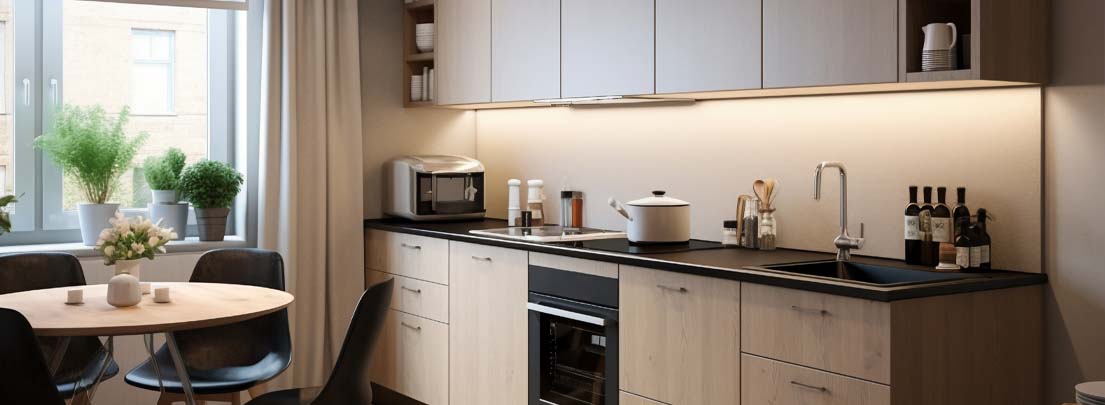
Revamp your kitchen with our top-notch kitchen renovation services in Dubai. From cabinets to countertops, our expert team delivers quality craftsmanship.
Kitchen Renovation
Kitchen Renovation in Dubai: Cost, Timeline, Materials & Process
A practical guide to kitchen layouts, cabinetry, countertops, lighting, timelines, and planning decisions for Dubai homes.
Read the GuideRenovator advice
Ready to plan your renovation?
Send us photos of your space on WhatsApp and our team will guide you on the next steps.