Wall Paneling & Feature Walls
Wall Paneling Cost in Dubai: Materials, Labor & Finish Options
A cost guide for wall paneling and feature wall projects in Dubai.
Renovator advice
Want help with this project?
Share your space and goals with Renovator on WhatsApp.
Why Wall Paneling Cost Depends on Detail
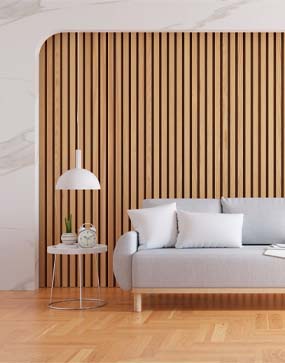
Wall paneling cost in Dubai depends on more than the size of the wall. The final price is shaped by material, design complexity, surface preparation, cutting, fixing, painting, lighting, electrical work, edge finishing, and site conditions. A simple painted molding wall costs much less than a custom feature wall with fluted panels, veneer, LED lighting, storage, and stone-look surfaces. Both may be described as wall paneling, but the work involved is very different.
Use this cost page with the main wall paneling and feature walls in Dubai guide, where materials, styles, room uses, and design choices are explained together.
The first step is to define the purpose of the wall. Is it a decorative bedroom wall, a living room TV feature, an office reception wall, an acoustic treatment, or a premium entrance feature? A bedroom wall behind a bed may need soft proportion and calm finishing. A TV wall may need cable routes, sockets, and stronger structure. An office wall may need signage, durability, and lighting. The purpose affects the design and the cost.
Cost also depends on whether the wall is straightforward. Switches, sockets, doors, AC controls, uneven corners, existing damage, damp patches, or old fixtures can all add preparation and detailing. A clean flat wall is easier to panel than a wall with interruptions that need to be integrated into the pattern.
Wall Size and Pattern Complexity
Wall size affects material quantity and installation time. A small feature wall may need only a simple pattern and paint. A full-height living room wall may require more panels, more joins, more fixing, and more finishing. Ceiling height matters because tall panels need accurate alignment. Wide walls need careful proportion so the design does not feel stretched or repetitive.
Pattern complexity is another major cost driver. Simple rectangular molding is usually easier than detailed geometric designs, curved shapes, layered panels, or custom cutouts. Fluted panels may be faster if ready-made, but custom edges and corners still require attention. Large panels can look clean but need careful handling and alignment. Small repeated patterns may require more labor.
The pattern should suit the wall. A complicated design on a narrow wall can feel crowded. A very simple design on a large wall can feel empty. Good paneling balances labor and visual impact.
Material Choice
MDF is common for painted decorative paneling because it is workable, flexible, and can be finished in many styles. Moisture-resistant MDF may be considered in certain areas, but direct wet exposure should still be avoided. Natural wood and veneer cost more but add warmth and depth. Laminate and wood-look panels can offer a practical middle ground. PVC or WPC panels may be suitable for some conditions, depending on the desired look and durability.
Gypsum can create architectural forms, recessed sections, and lighting details. Acoustic panels can improve sound comfort in offices, entertainment rooms, and busy living areas. Stone-look panels or porcelain-style sheets can create a premium feature but may require more skilled installation and support. Fabric or padded panels may suit bedrooms but need maintenance awareness.
The right material is not always the most expensive one. It is the material that suits the room, expected use, maintenance level, and design goal. A rental property may need durable and simple paneling. A villa feature wall may justify richer materials. A family hallway may need a tougher finish than a decorative bedroom wall.
Surface Preparation
Surface condition affects cost because paneling should not be installed over active problems. Cracks, damp patches, loose paint, uneven walls, old adhesive, or damaged plaster may need repair. If the wall is not straight, panel alignment becomes more difficult. If the wall has moisture issues, the cause should be addressed before decorative work begins.
Preparation may include cleaning, filling, sanding, priming, leveling small imperfections, removing old fixtures, relocating minor items, or marking electrical points. These steps may not be visible after handover, but they affect the final finish. A panel pattern will highlight uneven walls if preparation is poor.
For painted paneling, paint preparation is especially important. Poor sanding, weak primer, or rushed coats can make the final wall look patchy. The smoother and cleaner the preparation, the more premium the result feels.
Lighting and Electrical Work
LED lighting can raise the cost of wall paneling because it adds design and technical requirements. Backlighting, vertical LED strips, shelf lighting, wall washers, and recessed lighting need wiring, drivers, switches, channels, and access points. If lighting is added after paneling is installed, the work becomes more difficult.
Lighting should be planned with the panel design. A vertical strip may need a channel. A backlit panel may need a gap and hidden support. A wall washer may reveal surface imperfections, so preparation must be better. Drivers should remain accessible for maintenance. Switch control should be practical and not dependent on inconvenient wiring.
Lighting can make a wall look premium, but it should be used carefully. Too much lighting can make the wall feel theatrical or distracting. Subtle lighting often works better in homes.
Painting and Finishing
Finishing is where paneling becomes polished. Painted paneling needs primer, coats, sanding between stages where required, clean edges, and touch-ups. Veneer or wood-look finishes need careful edge treatment. PVC or ready-made panels need clean joins and trims. Stone-look panels need proper alignment and edge finishing. Silicone, sealant, skirting transitions, ceiling transitions, and socket cutouts all affect the final look.
Ask whether painting is included. Some quotes include only panel installation and exclude painting. Others include full finishing. This difference can make quotes appear cheaper or more expensive than they really are. For a clean handover, painting and touch-ups should be part of the plan.
Finishing also includes protecting surrounding areas during work and cleaning after installation. Dust and paint marks can reduce the impact of a new feature wall if the site is not handled carefully.
Feature Wall vs Full Room Paneling
A single feature wall is usually more cost-effective than paneling a full room. It creates impact without covering every surface. Bedrooms, living rooms, dining areas, and offices often need only one main wall. Full room paneling can look premium, but it requires more material, more labor, more corner detailing, and more coordination with doors, windows, sockets, and skirting.
If you already know the wall size and preferred material, use the wall paneling cost calculator to get an initial planning range before finalizing the design.
Wainscoting or lower-wall paneling can be a middle option. It adds detail without covering the full height. This can suit corridors, dining rooms, classic interiors, and bedrooms. The cost depends on height, trim profile, paint, and room perimeter.
Before deciding, consider furniture. If a large sofa, bed, wardrobe, or curtain will hide much of the wall, a simpler design may be enough. Spend where the wall will actually be seen.
How to Compare Wall Paneling Quotes
Compare quotes by material, wall size, design complexity, preparation, painting, lighting, electrical scope, trims, and finishing. A quote for MDF strips painted on one wall is not comparable to a quote for fluted panels with LED lighting and veneer details. Ask whether the quote includes wall repair, primer, paint, final touch-ups, socket cutouts, and cleanup.
Ask for clarity on what happens around switches, sockets, AC controls, doors, and skirting. These interruptions can make or break the final result. A professional paneling plan should integrate them rather than ignore them.
Sensible Ways to Manage Cost
You can control cost by simplifying the pattern, choosing one feature wall instead of multiple walls, using painted MDF instead of premium veneer, limiting LED lighting, and avoiding unnecessary custom shapes. You can also phase work by starting with the most visible wall and adding other rooms later.
Do not save money by skipping preparation or finishing. A simple design with clean finishing usually looks better than a complicated design installed poorly. Spend on alignment, preparation, and final paint quality before adding extra decorative elements.
Getting an Estimate
Send Renovator wall dimensions, straight-on photos, side photos, inspiration images, room type, preferred material, and whether lighting or TV mounting is needed. Mention any sockets, switches, AC controls, or wall damage. Renovator can then advise whether the best solution is simple paneling, a feature wall, a TV feature wall, or a more detailed custom installation.
Questions to Ask Before Approving the Quote
Before approving a wall paneling quote, ask which material will be used, how the wall will be prepared, whether painting is included, how edges will be finished, how sockets and switches will be handled, and whether final touch-ups are included. If lighting is part of the design, ask where drivers and switches will sit and how they can be accessed later. If the wall supports a TV, ask how the bracket, cable route, and backing support will be handled.
Ask whether the design is custom-scaled to your wall or based on standard panel sizes. Custom scaling matters because panel proportions should align with furniture, ceiling height, and fixed wall elements. If the design includes ready-made panels, ask how corners, cut edges, and transitions will be finished. These details affect whether the final wall looks built-in or temporary.
Final Budget Advice
The smartest way to spend on wall paneling is to keep the design focused. Choose one wall, one main material direction, and one clear visual goal. Spend on preparation, alignment, paint quality, and clean finishing before adding more decorative complexity. If the budget allows, add lighting only where it improves the wall rather than everywhere possible.
A well-executed simple wall can lift an entire room. A complicated wall with poor proportions or unfinished edges can make the space feel cheaper. Renovator can help find the balance between design impact, material choice, and practical cost.
When Wall Paneling Is Worth the Spend
Wall paneling is worth the spend when it solves a visible design problem or improves the way a room feels every day. It can make a bedroom calmer, a living room more finished, a TV wall cleaner, an office more professional, or an entrance more memorable. It is less useful when added randomly to a wall that will be hidden by furniture or when the room already has too many competing features.
For the best return, use paneling where people naturally look: behind a bed, behind a sofa, around a TV, in an entrance, in a reception area, or on a dining wall. Match the complexity to the importance of the wall. A main living room wall may justify more detail than a small corridor. A rental apartment may need a clean painted design, while a long-term villa may justify wood, lighting, or more custom work.
Final Scope Checklist
Before work begins, confirm wall dimensions, design pattern, material, finish color, lighting, socket treatment, skirting treatment, edge detail, and final paint process. If the paneling connects to a media wall, confirm TV height, cable routes, and storage. If it connects to painting, confirm which work happens first. These details keep the cost predictable and the handover clean.
Good wall paneling should feel integrated with the room after the furniture returns. The budget should include the unglamorous finishing details that make that happen: neat edges, aligned panels, clean paint, socket cutouts, skirting transitions, and final touch-ups. Those details are often what separate a polished feature wall from a wall that simply has panels attached to it.
Related service
Wall Paneling & Feature Walls
Transform your interiors with Renovator’s custom wall paneling and feature walls in Dubai. High-quality materials, expert craftsmanship & innovative designs.
Wall Paneling & Feature Walls
Feature Wall Ideas for Dubai Apartments and Villas
Design-led feature wall ideas for living rooms, bedrooms, offices, and entertainment spaces in Dubai.
Read the Guide
Wall Paneling & Feature Walls
Wall Paneling & Feature Walls in Dubai: Materials, Styles & Pricing
A visual guide to feature walls, wall paneling materials, finishes, lighting, and practical planning for Dubai interiors.
Read the GuideRenovator advice
Ready to plan your renovation?
Send us photos of your space on WhatsApp and our team will guide you on the next steps.