Home Renovation
Home Renovation Cost in Dubai: Apartment, Villa & Room-by-Room Guide
A practical cost guide for Dubai homeowners comparing apartment, villa, and room-by-room renovation scopes.
Renovator advice
Want help with this project?
Share your space and goals with Renovator on WhatsApp.

Why Home Renovation Cost Varies So Much
Home renovation cost in Dubai varies because the phrase “home renovation” can describe many different scopes. One homeowner may mean repainting an apartment, repairing walls, replacing a few fixtures, and adding a media wall. Another may mean renovating a kitchen, two bathrooms, flooring, painting, lighting, custom cabinetry, wall paneling, and built-in storage. A villa owner may be thinking about a much larger project with multiple bathrooms, a full kitchen, stair areas, majlis upgrades, outdoor transitions, and more complex trade sequencing.
For the broader planning framework behind these numbers, start with the complete guide to home renovation in Dubai.
This is why broad cost ranges can feel confusing. The most useful way to understand renovation cost is not to ask for a single average. It is to break the project into room types, trade types, finish levels, and technical requirements. A quote becomes clearer when it separates demolition, preparation, waterproofing, plumbing, electrical work, carpentry, countertops, tiling, painting, lighting, disposal, and finishing. Without that detail, two renovation companies can give very different numbers that are not actually quoting the same job.
Dubai properties also come with site-specific factors. Building management rules, service lift access, work-hour restrictions, parking, waste removal, material delivery, community approvals, and whether the property is occupied can all affect the real cost. A simple job in an easy-access vacant villa may be faster than a similar job in a high-rise apartment with strict logistics. These conditions do not always change material prices, but they change labor planning, protection, and timeline.
Start With Scope, Not Square Footage
Square-foot pricing can be useful for early thinking, but it is not enough for a reliable renovation budget. Kitchens and bathrooms cost more per square foot than bedrooms because they involve plumbing, electrical, waterproofing, cabinetry, fixtures, and more detailed finishing. A living room with a custom media wall will cost more than a living room that only needs paint. A bedroom with simple repainting is very different from one with wall paneling, built-in wardrobes, lighting, and custom headboard features.
Start by defining the scope as light, medium, or full. A light renovation may include painting, minor repairs, fixture replacement, silicone renewal, lighting changes, and small carpentry. A medium renovation may include a kitchen refresh, selected bathroom upgrades, wall paneling, media wall installation, painting, and improved storage. A full renovation may include demolition, new bathrooms, new kitchen, custom joinery, electrical adjustments, plumbing, tiling, waterproofing, painting, lighting, and complete finishing.
If you want a quick starting point, the home renovation cost calculator can turn your property type, size, scope, finish level, and selected services into a planning range.
Once the scope is clear, decide what is essential. Essential work usually includes leaks, unsafe electrical points, damaged tiles, weak waterproofing, poor drainage, broken cabinets, moisture damage, and surfaces that need repair before painting. Optional work includes decorative paneling, premium materials, extra lighting, advanced hardware, display shelving, and style upgrades. A good budget separates these two so the project can be adjusted without compromising critical work.
Apartment Renovation Cost Factors
Apartment renovation in Dubai is often shaped by building rules and efficient use of space. Cost drivers include painting, wall repair, flooring, kitchen upgrades, bathroom renovation, storage, media walls, lighting, and any plumbing or electrical changes. Smaller apartments are not always cheap per square foot because kitchens and bathrooms still require detailed work. A one-bedroom apartment with a full kitchen and bathroom renovation can involve more coordination than a larger apartment that only needs painting and a few cosmetic changes.
Building logistics matter. Many apartment buildings require lift booking, common-area protection, approved disposal routes, work-hour compliance, and sometimes management approvals before noisy work begins. If the property is occupied, the team may need to phase the work room by room, protect furniture, manage dust, and maintain access. If the apartment is vacant, work can often move more smoothly, but procurement and drying times still apply.
The biggest apartment budget decisions usually sit in the kitchen, bathroom, and visible living area. A new kitchen with custom cabinetry and countertop will usually carry more cost than painting bedrooms. A bathroom with waterproofing and new tiles is more technical than a decorative wall. A media wall can be a high-impact upgrade because it improves the main living area without renovating the whole apartment.
Villa Renovation Cost Factors
Villa renovation costs vary even more because villas have larger spaces and more possible scope. A villa may include a main kitchen, service kitchen, multiple bathrooms, powder room, bedrooms, staircases, corridors, living spaces, majlis, laundry, maid’s room, storage, outdoor thresholds, and custom feature walls. The number of rooms alone can expand the cost, but the real driver is the combination of trades required.
Villas may involve more carpentry, more painting area, larger floor areas, more lighting points, and more bathrooms. If the project includes layout changes, plumbing upgrades, waterproofing, electrical work, or major custom joinery, the budget increases. Premium finishes can also scale quickly because larger rooms need more material. A stone-look feature wall in a large villa living room, for example, may require more panels, more support, and more detailed lighting than the same idea in a compact apartment.
Sequencing is also important. A villa renovation may need phased work across floors or zones. Dusty demolition, waterproofing, carpentry, painting, and final finishing should be planned so completed areas are not damaged by later trades. If the family remains in the villa during renovation, temporary access and protection become part of the project planning.
Room-by-Room Budget Priorities
Kitchens usually take a large share of renovation budgets because they include cabinets, hardware, countertops, backsplash, sink, mixer, appliances, lighting, electrical points, plumbing, painting, and installation detail. Cabinet material, internal storage, countertop choice, and whether the layout changes are major cost drivers. Keeping the same plumbing points can help control cost, but only if the existing layout works.
Bathrooms are technical because of waterproofing, drainage, tiling, plumbing, fixtures, ventilation, vanities, mirrors, lighting, and silicone finishing. A small bathroom can still cost more than expected because the work is detailed and sequence-sensitive. Skipping preparation or waterproofing to reduce cost can create expensive problems later.
Living rooms and bedrooms often depend on wall treatment, lighting, painting, and storage. Painting is usually one of the most cost-effective ways to refresh a space, but wall condition affects preparation. Wall paneling, feature walls, and media walls add cost but can create a strong visual transformation. Built-in wardrobes, study units, and custom storage increase cost but may solve real daily problems.
Materials and Finish Levels
Material choices can move a renovation budget significantly. In kitchens, cabinet finish, hardware, countertop material, backsplash, and appliance integration are key. In bathrooms, tile choice, sanitaryware, vanity material, shower glass, fixtures, and lighting matter. For walls, paint quality, wall preparation, panel material, texture, lighting, and trim details affect the final price.
Finish level should match the property goal. A rental apartment may benefit from durable, neutral, easy-maintenance materials. A personal family home may justify stronger storage, better hardware, and finishes that suit daily routines. A villa designed for long-term living may justify custom details and premium surfaces. A property being prepared for resale should focus on high-impact, broadly appealing upgrades rather than highly personal choices.
Avoid choosing the cheapest material in every category. The goal is value, not simply the lowest number. Saving on hidden preparation, waterproofing, hardware, or surface quality can lead to repairs later. At the same time, not every area needs premium finishes. Spend where the material is used heavily or highly visible, and simplify where the impact is lower.
Hidden Costs to Clarify
Many budget surprises come from exclusions. Ask whether the quote includes demolition, disposal, protection, wall preparation, waterproofing, plumbing changes, electrical adjustments, material delivery, painting, silicone, accessories, final cleaning, and snagging. If a quote excludes these items, the final project cost may rise through variations.
Clarify who supplies fixtures and materials. If you supply tiles, sanitaryware, appliances, or lights, make sure dimensions, delivery dates, and compatibility are confirmed. A delayed tile delivery can delay a bathroom. A late appliance choice can affect cabinet fabrication. A sink or hob cutout can affect countertop fabrication. Coordination has real cost implications.
Also ask how changes are priced. Renovation projects sometimes change once work begins, especially in older properties. A transparent variation process protects both sides. It should be clear what happens if hidden plumbing damage, wall moisture, uneven surfaces, or electrical issues are discovered.
How to Compare Contractor Quotes
Do not compare quotes only by the final total. Compare the scope, materials, assumptions, timeline, and exclusions. One quote may include waterproofing, disposal, preparation, lighting, painting, and snagging. Another may only include visible installation. The cheaper number may not be cheaper once missing items are added.
Ask for detail in the areas that carry risk. For bathrooms, ask about waterproofing and drainage. For kitchens, ask about cabinet material, hardware, countertop, and MEP changes. For media walls, ask about cable management, lighting, storage, and TV support. For painting, ask about surface preparation, primer, number of coats, and repair work.
A good contractor should be able to explain why the project costs what it costs. If the explanation is vague, the scope may not be clear enough. Renovator’s estimate process is more useful when you provide photos, measurements, priorities, and desired finish level from the beginning.
How to Build a Practical Budget
Start with the rooms that matter most: kitchen, bathrooms, living area, and any repairs that affect safety or water damage. Then add improvements that affect daily use, such as storage, lighting, and durable finishes. Finally, add decorative upgrades such as feature walls, premium surfaces, and extra lighting. This order helps keep the project grounded.
Create a must-have list and a flexible list. If the total estimate is above budget, reduce the flexible list first. For example, a premium feature wall can be simplified, but waterproofing should not be removed from a bathroom renovation. Decorative lighting can be phased later, but critical electrical work should be done properly before finishes close the wall.
Keep a contingency for existing-condition issues. This is especially important for older bathrooms, kitchens, and properties with visible damage. A contingency does not mean accepting uncontrolled cost increases. It means planning responsibly so the project can handle discoveries without forcing rushed decisions.
Getting a Useful Estimate From Renovator
To get a clearer estimate, send photos of every area, rough measurements, property location, building type, whether the property is occupied, preferred timeline, and a simple list of what you want changed. Separate urgent repairs from design upgrades. Share inspiration images, but explain what you like about them: color, storage, lighting, material, or overall mood.
For a full home renovation, list each room and the expected work. For example: kitchen cabinets and countertop, two bathroom renovations, full apartment painting, media wall, bedroom wall paneling, and lighting upgrades. This gives Renovator a clearer path to advise on scope, sequence, and budget priorities.
When to Phase the Work
If the full scope is larger than the immediate budget, phasing can work well when it is planned in the right order. Technical and messy work should usually come before decorative finishing. For example, bathroom waterproofing, plumbing repairs, kitchen electrical work, wall repairs, and major carpentry should happen before final painting. If a media wall or wall paneling will be installed, it should be coordinated with painting so touch-ups are clean.
Phasing should not create duplicate work. Painting a room before planned wall paneling, electrical chasing, or cabinet installation can mean repainting later. Replacing flooring before heavy demolition can increase protection requirements. A good phased plan identifies what can wait and what should be done together. Renovator can help sequence the work so the first phase improves the home without making the second phase harder.
For many Dubai homeowners, a sensible phase one includes urgent repairs, bathrooms with leakage risk, kitchen functionality, and main living area improvements. Phase two can include decorative upgrades, additional feature walls, secondary bedrooms, or premium lighting. This keeps the renovation moving without weakening the important foundations.
Related services
Renovation Services in Dubai
Explore Renovator's core services for media walls, kitchen renovation, bathroom renovation, wall paneling, painting, and full-space upgrades.
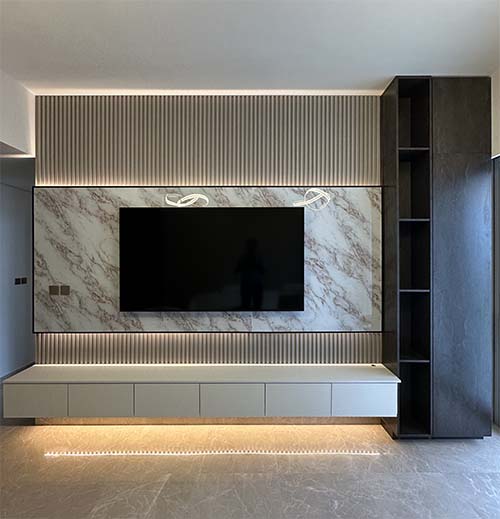

Home Renovation
Complete Guide to Home Renovation in Dubai
A practical starting point for Dubai homeowners and tenants planning a room upgrade, apartment refresh, or full property renovation.
Read the GuideRenovator advice
Ready to plan your renovation?
Send us photos of your space on WhatsApp and our team will guide you on the next steps.