Bathroom Renovation
Bathroom Waterproofing in Dubai: What Homeowners Should Know
A practical guide to waterproofing decisions before renovating a bathroom in Dubai.
Renovator advice
Want help with this project?
Share your space and goals with Renovator on WhatsApp.
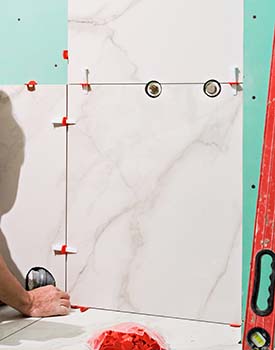
Why Bathroom Waterproofing Matters
Bathroom waterproofing protects the structure below and behind the visible finish. Tiles, grout, silicone, and sanitaryware are what you see, but the waterproofing layer is what helps prevent water from moving into floors, walls, neighboring rooms, or lower units. When waterproofing is weak, a bathroom can look newly renovated and still create serious problems later.
Use this waterproofing guide with the wider bathroom renovation in Dubai guide, where waterproofing sits alongside layout, fixtures, tiling, ventilation, and cost planning.
In Dubai apartments, bathroom leaks can affect the unit below or adjacent areas. In villas, water can damage walls, ceilings, cabinetry, and structural layers. In both cases, repairing a failed waterproofing system is usually more disruptive than doing it properly during renovation. That is why waterproofing should be treated as a core part of bathroom renovation, not an optional add-on.
Waterproofing is especially important in showers, wet rooms, floor areas around drains, wall-floor corners, pipe penetrations, bathtub edges, and areas behind tiles where water may sit. The goal is to create a protective system before the decorative finish is installed.
Tiles Are Not the Waterproofing System
One of the most common misunderstandings is that bathroom tiles make the bathroom waterproof. Tiles resist water, but they do not replace a proper waterproofing layer. Grout lines, joints, corners, pipe penetrations, and movement areas can allow moisture to pass over time. Silicone helps seal edges, but silicone alone is not a waterproofing system either.
The waterproofing layer sits beneath the tile finish. It needs proper surface preparation, correct application, suitable coverage in wet zones, and enough curing time before tiling. If the substrate is dusty, cracked, damp, uneven, or weak, waterproofing may not perform properly. Preparation is not glamorous, but it is essential.
This is why a very low bathroom renovation quote should be reviewed carefully. If it does not clearly include waterproofing and preparation, the visible finish may be prioritized over the part that protects the bathroom.
Areas That Need Extra Attention
The shower zone is usually the most important area. Water hits the walls and floor repeatedly, so the waterproofing should cover the wet surfaces properly. Wall-floor junctions, internal corners, and areas around the drain need careful treatment. If a niche is included, it should be waterproofed and sloped correctly so water does not sit inside it.
The floor around the drain is another key area. Water should move toward the drain rather than pooling. Poor slope can cause standing water, unpleasant smells, slippery surfaces, and faster deterioration of grout or silicone. If the bathroom is being converted from a bathtub to a walk-in shower, the floor and waterproofing plan may need more attention than a simple fixture replacement.
Pipe penetrations also matter. Any place where plumbing passes through a wall or floor can become a weak point if not sealed properly. Bathtub edges, vanity plumbing, toilet connections, and shower mixer areas should be considered as part of the system.
Surface Preparation Before Waterproofing
Waterproofing depends on the surface underneath. Before waterproofing, old tiles and adhesive may need removal. Cracks, loose areas, uneven screed, damaged plaster, or moisture issues should be addressed. The surface should be clean and suitable for the waterproofing material. If the old bathroom had leakage, the cause should be investigated rather than covered.
Preparation can affect cost and timeline. Some homeowners want renovation to move quickly, but waterproofing is not the stage to rush. If the surface is not ready, the waterproofing may fail. If the material needs curing time, the schedule should allow for it. Tiling too soon can compromise the system.
If waterproofing is part of a wider bathroom upgrade, the bathroom renovation cost calculator can help you estimate a planning range before Renovator reviews photos and site conditions.
Good preparation also helps tile installation. A bathroom with better substrate preparation usually has cleaner tile alignment, better slope, and fewer finishing issues.
Drainage and Floor Slopes
Waterproofing and drainage work together. Even if the waterproofing layer is sound, water should not be encouraged to sit on the floor. The floor should slope toward the drain, especially inside shower areas. The drain position, tile size, and layout all affect how easy it is to create the right slope.
Large-format tiles can be beautiful, but they can make floor slope more challenging in small shower zones. Mosaic or smaller tiles may sometimes work better around drains because they adapt to slope more easily. Linear drains can create a clean look, but they need accurate installation and waterproofing details.
Before final tiles are installed, the slope should be checked. If water runs away from the drain or pools in corners, the bathroom will be frustrating to use even if the tiles look good.
Waterproofing and Tile Layout
Tile layout should not be separated from waterproofing decisions. Niches, shower benches, partition walls, bathtub surrounds, and floor transitions all create extra corners and joints. These details can look excellent, but each one needs proper preparation. More design detail means more waterproofing attention.
Feature walls in bathrooms should also be planned carefully. If a feature tile sits inside the shower, it must be suitable for wet use and installed over a properly prepared waterproofed surface. Decorative surfaces that are not designed for wet areas should be kept away from direct water exposure.
The tile installer and waterproofing plan should work together. A beautiful tile selection cannot compensate for poor wet-zone detailing.
Signs of Weak Waterproofing
Signs of waterproofing problems can include damp smells, bubbling paint outside the bathroom, stains on adjacent walls, loose tiles, persistent mold around corners, water marks on ceilings below, or swelling cabinetry near wet areas. Not every stain means waterproofing failure, but these signs should be investigated before renovation begins.
If a bathroom has an active leak, do not simply retile over the problem. The old layers may need to be opened so the source can be found. It may be plumbing, waterproofing, drainage, silicone failure, or a combination of issues. Correct diagnosis is the first step toward a durable renovation.
Waterproofing in Apartments and Villas
Apartment bathrooms often require extra care because leakage can affect neighboring units or lower floors. Building management may also have rules about noisy work, disposal, and approvals. In apartments, moving drains or plumbing may be limited by existing shafts and building structure. This makes correct waterproofing and slope planning even more important.
Villa bathrooms may offer more layout flexibility, but they can include larger wet zones, multiple bathrooms, and more custom design. Walk-in showers, bathtub areas, and premium finishes still need proper waterproofing. Larger areas also mean more surface to prepare and more chance for errors if the work is rushed.
Questions to Ask Before Work Starts
Ask which areas will be waterproofed, how the surface will be prepared, how corners and pipe penetrations will be handled, how long the material needs to cure, and how drainage slope will be checked. Ask whether waterproofing is included in the quote or listed separately. Ask what happens if damaged substrate or hidden plumbing issues are discovered after demolition.
You do not need to know every technical product detail, but the contractor should be able to explain the process clearly. If waterproofing is described vaguely or dismissed as unnecessary, that is a warning sign.
Handover Checks
At handover, check drainage, shower areas, silicone lines, fixture connections, vanity plumbing, and any visible signs of water movement. Run water and observe whether it drains properly. Check that shower glass and silicone edges are clean. Ask about maintenance, especially around silicone and grout.
Waterproofing is mostly hidden after the bathroom is finished, so the most important quality control happens during the work. Photos of preparation and waterproofing stages can be useful, especially when the project is managed remotely.
How Renovator Approaches the Issue
Renovator treats waterproofing as part of the bathroom renovation scope, not merely a decorative step before tiling. The right approach depends on the bathroom condition, wet areas, fixture layout, tile selection, and whether there were previous leaks. Before requesting an estimate, share photos of the bathroom, close-ups of damaged areas, notes about leaks or smells, and whether you want to change the shower or bathtub layout. This helps identify whether the project is a surface refresh or a deeper renovation.
Maintenance After Renovation
Even a properly waterproofed bathroom needs basic maintenance. Silicone around shower glass, tubs, vanity edges, and corners should be checked periodically because silicone is a serviceable finish, not a permanent structural layer. Grout should be cleaned properly and repaired if it cracks. Drains should be kept clear so water does not sit on the floor. Exhaust fans should be used after showers to reduce moisture buildup.
Homeowners should also watch for early warning signs. Persistent damp smells, bubbling paint outside the bathroom, swelling vanity panels, water marks, or loose tiles should be investigated quickly. Early attention can prevent a small issue from becoming a larger repair. If the bathroom is in a rental property, tenants should be told to report leaks or drainage problems early.
What Good Waterproofing Planning Feels Like
A good waterproofing discussion should feel specific. The contractor should ask about existing leaks, shower layout, tile changes, drain position, and fixture movement. They should explain wet zones, preparation, curing, and sequence. They should not treat waterproofing as a vague line item. When the process is clear, the homeowner can understand why the bathroom needs time before tiling and why hidden work matters as much as visible tile selection.
This level of planning is especially important when upgrading older bathrooms or changing from a bathtub to a walk-in shower. The finished bathroom may look simple, but the layers beneath it determine how well it performs over time.
Waterproofing and Renovation Timing
Waterproofing should be scheduled before the project is under pressure to finish quickly. If tile delivery, fixture selection, or move-in dates are tight, homeowners may be tempted to compress the hidden stages. That is risky. The bathroom needs enough time for demolition, inspection, surface preparation, waterproofing application, curing, and checks before tiling starts. A realistic schedule protects the work.
If you are renovating multiple bathrooms, ask whether they should be completed one by one or together. Doing them together can be efficient in a vacant property, but occupied homes may need at least one bathroom available. The sequencing should protect both comfort and quality. Waterproofing should never be treated as a stage that can be skipped because another bathroom is waiting.
Why This Matters for Property Value
A bathroom with reliable waterproofing is easier to trust, easier to maintain, and safer for the surrounding rooms. Buyers, tenants, and homeowners all notice visible finishes first, but long-term satisfaction depends on the hidden work. A leak after renovation can damage ceilings, walls, cabinets, and relationships with neighbors or building management. Good waterproofing is not only a technical detail; it is part of protecting the value of the property.
When discussing renovation priorities, put waterproofing in the same category as plumbing and electrical safety. It may not be the most exciting line item, but it is one of the reasons a bathroom renovation feels reliable years later. If the visible finish must be simplified to protect the hidden system, that is usually the wiser decision.
Related service
Bathroom Renovation Services
Transform your bathroom with Renovator’s expert renovation services in Dubai. From modern designs to complete makeovers, we deliver luxury and functionality.

Bathroom Renovation
Bathroom Renovation Cost in Dubai: Small, Master & Luxury Bathrooms
A cost guide for small, master, and premium bathroom renovations in Dubai.
Read the Guide
Bathroom Renovation
Bathroom Renovation in Dubai: Cost, Layouts, Waterproofing & Finishes
A practical guide to bathroom renovation planning, waterproofing, tiling, fixtures, ventilation, and small-space decisions in Dubai.
Read the GuideRenovator advice
Ready to plan your renovation?
Send us photos of your space on WhatsApp and our team will guide you on the next steps.