Home Renovation
Complete Guide to Home Renovation in Dubai
A practical starting point for Dubai homeowners and tenants planning a room upgrade, apartment refresh, or full property renovation.
Renovator advice
Want help with this project?
Share your space and goals with Renovator on WhatsApp.

Start With the Result You Want
A successful home renovation in Dubai starts before any material is chosen. The first question is not which tile, paint color, or cabinet finish looks best. The first question is what the property needs to become when the work is complete. A family apartment may need better storage, safer bathrooms, brighter lighting, and finishes that are easy to clean. A villa may need a bigger scope that includes kitchen upgrades, bathroom renovation, wall paneling, painting, custom media walls, and improvements to how rooms connect. A rental property may need a practical refresh that looks good in photos, survives regular use, and avoids over-investing in details that tenants will not value.
The clearer the outcome, the easier it becomes to control the scope. Many renovation budgets grow because the project begins with a vague idea such as “modernize the home” or “make it look luxury.” Those goals are understandable, but they are not specific enough for estimating, scheduling, or material selection. A better starting point is to define the result room by room. For example: “replace the kitchen cabinets and countertop while keeping the same plumbing points,” “renovate the guest bathroom because of leaks and old tiles,” “add a custom media wall with hidden cables and storage,” or “paint the apartment before move-in.” These statements help a renovation team understand what is essential and what is optional.
Dubai properties also vary widely by building type, access rules, developer requirements, and site condition. A Downtown apartment, a Dubai Marina unit, a Dubai Hills villa, and a JVC townhouse may all need different planning even if the design style is similar. Service lift access, work-hour restrictions, parking, waste removal, and building management approvals can affect the timeline. For this reason, the best first step is to combine inspiration with practical information: photos, measurements, building location, property type, whether the home is occupied, and a list of the problems you want solved.
Decide the Scope Before Discussing Finishes
Scope is the backbone of a renovation. Without it, prices are difficult to compare and timelines become unreliable. A light refresh may include painting, minor carpentry, hardware replacement, silicone repairs, and lighting upgrades. A medium renovation may include new kitchen cabinets, bathroom fixture replacement, wall paneling, a media wall, new flooring in selected areas, and electrical adjustments. A full renovation may include demolition, waterproofing, plumbing, electrical work, custom joinery, tiling, gypsum work, painting, lighting, and final snagging across multiple rooms.
When planning a Dubai home renovation, separate your scope into three lists. The first list is essential repairs: leaks, damaged tiles, weak waterproofing, electrical problems, broken cabinetry, poor ventilation, cracked walls, or anything that affects safe daily use. The second list is functional improvement: more storage, better lighting, easier cleaning, better use of corners, proper TV cable management, improved bathroom layouts, or more durable surfaces. The third list is visual upgrade: wall paneling, feature walls, color palettes, decorative lighting, stone-look finishes, cabinet profiles, mirrors, handles, and accessories.
This order matters because beautiful finishes cannot hide weak preparation. A bathroom with poor waterproofing may look new on handover and still create expensive problems later. A kitchen with attractive cabinet doors may become frustrating if the internal layout, hinges, drawer runners, and appliance clearances were not planned properly. A media wall may look impressive in a render but become difficult to use if cables, ventilation, and access points were ignored. Good renovation planning keeps function, durability, and appearance in the same conversation.
Renovating Apartments, Villas, and Townhouses
Apartment renovations in Dubai often need careful logistics. The usable floor area may be smaller, storage may be limited, and building management rules can be strict. Noise hours, lift booking, protection of common areas, waste removal, and material delivery may need approval. Apartment owners also need to be realistic about what can and cannot move. In many cases, keeping plumbing points in place is more cost-effective than shifting them. Kitchen and bathroom upgrades can still make a major difference, but the plan should respect existing shafts, drainage, ventilation, and electrical capacity.
Villa and townhouse renovations usually offer more flexibility, but the scope can grow quickly. Larger kitchens, multiple bathrooms, stair areas, corridors, outdoor transitions, maid’s rooms, storage spaces, and feature walls can all become part of the project. Villas may also involve more coordination around AC, plumbing routes, electrical distribution, waterproofing, external access, and custom carpentry. The advantage is that a villa renovation can transform the whole property experience, especially when the design language is consistent across the kitchen, living area, bathrooms, wall finishes, and built-in storage.
The right approach depends on whether the home is being renovated for personal use, rental yield, resale appeal, or move-in readiness. A personal home can justify more custom details because comfort matters every day. A rental property may need a durable, neutral, well-finished scope that photographs well and reduces maintenance calls. A resale-focused renovation should avoid overly personal finishes and focus on high-impact areas buyers notice quickly: kitchen, bathrooms, walls, lighting, storage, and overall cleanliness.
Budget Planning Without Guesswork
Renovation cost in Dubai depends on property size, finish level, custom work, MEP changes, site access, and how much repair work is discovered after opening old surfaces. Broad market guides often show very wide ranges because no two projects include the same scope. A simple apartment refresh may be mostly paint, repair, lighting, and small carpentry. A full apartment renovation may include kitchen, bathrooms, joinery, flooring, ceilings, painting, and multiple trades. A villa renovation can range much higher because of scale, number of rooms, custom finishes, and technical work.
The safest way to budget is to break the project into line items rather than asking for one general number. For a kitchen, look at cabinets, countertops, backsplash, plumbing, electrical, lighting, appliances, painting, and disposal. For a bathroom, separate demolition, plumbing, waterproofing, tiling, sanitaryware, vanity, mirrors, accessories, lighting, ventilation, silicone, and final testing. For a media wall, separate design, material, carpentry, TV support, cable management, lighting, finishing, and installation. This makes quotes easier to compare and reduces the risk of hidden exclusions.
For an early planning range before a site visit, use the home renovation cost calculator and then share the result with photos so Renovator can refine the scope.
For a deeper breakdown, read the home renovation cost in Dubai guide before comparing quotes.
It is also wise to keep a contingency. Renovation involves existing buildings, and existing buildings can reveal surprises: uneven walls, damaged plumbing, weak waterproofing, old wiring, hidden moisture, or surfaces that need more preparation than expected. A contingency does not mean the project should be uncontrolled. It simply acknowledges that responsible planning leaves room for discoveries without forcing poor decisions mid-project.
Timeline: What Usually Happens First
A renovation timeline should be built around sequence, not hope. The typical process begins with consultation, photos, measurements, scope discussion, and a site visit if needed. After that come design decisions, material selection, quotation, approval, procurement, and scheduling. Once work starts, the sequence depends on the scope. Demolition and preparation usually come before MEP adjustments, waterproofing, carpentry, tiling, painting, installation, snagging, and handover.
Kitchen renovation timelines often depend on custom cabinetry and countertop lead times. Bathroom renovation timelines depend heavily on waterproofing, curing, tiling, and fixture installation. Media walls and wall paneling depend on accurate measurement, fabrication, electrical points, and finishing. Painting can be fast when walls are in good condition, but wall repair, moisture treatment, or multiple colors can add time. A full home renovation needs these trades arranged in the right order so finished work is not damaged by later work.
Occupied homes need an extra layer of planning. Dust control, temporary access, work hours, room-by-room sequencing, and protection of furniture become important. If the home is vacant, the team may be able to move faster, but approvals, procurement, and drying times still matter. A realistic schedule should include the work itself and the decisions required from the owner. Delayed material choices can delay the whole project.
Materials That Suit Dubai Homes
Dubai interiors need materials that can handle air-conditioning, dust, humidity changes, regular cleaning, and daily family use. This does not mean every project needs the most expensive finish. It means each material should be chosen for the right place. Moisture-resistant boards matter in humid or wet-adjacent areas. Washable paint is useful for family homes and rental units. Durable hinges and drawer runners matter in kitchens. Slip-resistant tiles matter in bathrooms. Good silicone and grout details matter around wet zones.
For walls, the preparation under the paint is often as important as the paint itself. Filling, sanding, priming, and treating damaged areas create a better finish and reduce early defects. For joinery, board quality, edge banding, hardware, and installation accuracy affect how the cabinets feel months after handover. For feature walls, the material should suit the wall’s purpose. A decorative bedroom feature wall has different needs from a TV wall that must hold equipment, hide cables, and manage heat.
Material decisions should also consider maintenance. A finish that looks beautiful in a showroom may show fingerprints, scratches, or dust quickly in daily use. A home with children, pets, tenants, or heavy entertaining may benefit from durable, easy-clean choices. A premium villa or personal residence may justify more delicate or custom finishes where the visual result is worth the care.
The Most Important Rooms to Prioritize
If the budget cannot cover everything at once, prioritize the areas that affect daily life and property value. Kitchens and bathrooms usually come first because they combine function, water, electrical work, storage, and finish quality. A weak kitchen layout can make the whole home feel less comfortable. A poorly renovated bathroom can create maintenance issues and water damage. These rooms are also highly visible to buyers and tenants.
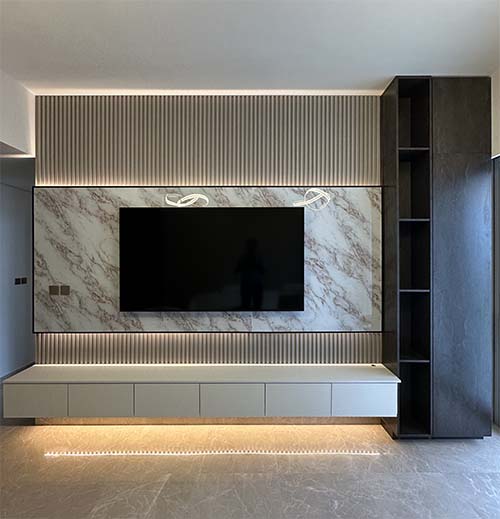
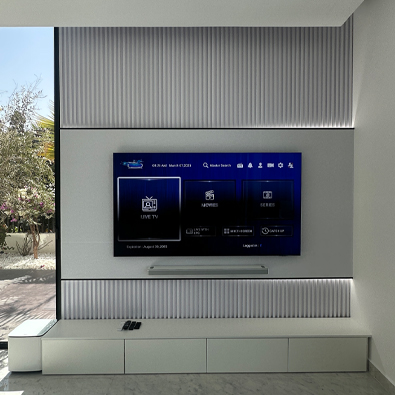
Living areas are next because they shape the first impression. Painting, lighting, wall paneling, media walls, and storage can change how the home feels without necessarily renovating every room. A custom media wall can organize the TV area, hide wires, add storage, and create a focal point. Feature walls can add depth to bedrooms, corridors, offices, and majlis areas. Painting can refresh the entire property and make older finishes feel cleaner.
Bedrooms, storage rooms, balconies, and corridors should not be ignored, but they can often be planned around the main scope. A phased renovation can work well if the sequence is logical. For example, it may make sense to complete major dusty works first, then painting, then final installations. Renovator can help connect the different services so the project does not feel like separate trades working without coordination.
Choosing the Right Renovation Company
The right renovation company should help you make decisions, not only provide a number. A good consultation should clarify the scope, explain practical constraints, ask about usage, identify risk areas, and suggest a sequence. For Dubai properties, the contractor should also understand building access, work-hour rules, material logistics, and the importance of clean handover.
When comparing quotes, look beyond the total. Check whether the quote explains materials, quantities, inclusions, exclusions, timeline, payment stages, and assumptions. A cheaper quote may exclude disposal, preparation, waterproofing details, electrical changes, finishing accessories, or snagging. A more complete quote may look higher at first but reduce surprises later. Ask how variations are handled and what happens if hidden damage is found.
It is also useful to review real project examples. Renovation is visual and practical. Seeing completed work helps you understand finishing standards, design taste, and whether the company has experience with the type of project you want. For media walls, wall paneling, kitchens, bathrooms, and painting, photos can reveal a lot about alignment, proportions, clean edges, and attention to detail.
Mistakes to Avoid
One common mistake is starting with materials before the scope is clear. This leads to beautiful choices that may not fit the budget, timeline, or technical requirements. Another mistake is comparing quotations without checking what is included. If one contractor includes waterproofing, wall preparation, disposal, and finishing while another lists only installation, the totals are not comparable.
Avoid ignoring the existing condition of the property. Old bathrooms may need plumbing checks and waterproofing, not just new tiles. Kitchens may need electrical points adjusted before cabinets are made. Walls may need repair before painting. Media walls may need cable and ventilation planning before the structure is closed. These practical steps are what make the final result last.
Do not leave decisions too late. Renovation schedules depend on timely choices: tile size, cabinet finish, countertop material, paint color, lighting style, handle type, mirror size, and fixture selection. Late decisions can delay procurement or force rushed substitutions. A clear decision schedule keeps the work moving and helps the team plan installation properly.
How Renovator Connects the Work
Renovator’s service structure is well suited to home renovation because the work often overlaps. A kitchen renovation may need cabinetry, countertops, lighting, painting, and wall finishing. A bathroom renovation may need waterproofing, tiling, plumbing, lighting, painting, and vanity work. A media wall may need carpentry, electrical planning, wall paneling, painting, and finishing. A full home refresh may combine all of these with project sequencing and handover checks.
If you are unsure where to begin, start with photos and a simple priority list. Tell the team what you want to fix, what you want to improve, and what your ideal result looks like. From there, the scope can be shaped into the right service path: kitchen renovation, bathroom renovation, media wall unit, wall paneling, painting, or a broader renovation plan.
Next Step
Before requesting a renovation estimate, collect photos of each area, rough measurements, building location, preferred timeline, inspiration images, and notes about any known issues such as leaks, damaged walls, old wiring, or poor storage. This small amount of preparation makes the first conversation much more useful. It allows Renovator to understand whether your project is a light refresh, a room-by-room upgrade, or a full property renovation, and it gives you a clearer path from research to site visit, quote, build, and handover.
If you want a practical prep list before the first conversation, use the home renovation checklist to gather the details Renovator will need.
Related services
Renovation Services in Dubai
Explore Renovator's core services for media walls, kitchen renovation, bathroom renovation, wall paneling, painting, and full-space upgrades.

Home Renovation
Home Renovation Cost in Dubai: Apartment, Villa & Room-by-Room Guide
A practical cost guide for Dubai homeowners comparing apartment, villa, and room-by-room renovation scopes.
Read the GuideRenovator advice
Ready to plan your renovation?
Send us photos of your space on WhatsApp and our team will guide you on the next steps.