Bathroom Renovation
Bathroom Renovation Cost in Dubai: Small, Master & Luxury Bathrooms
A cost guide for small, master, and premium bathroom renovations in Dubai.
Renovator advice
Want help with this project?
Share your space and goals with Renovator on WhatsApp.
Why Bathroom Renovation Cost Varies
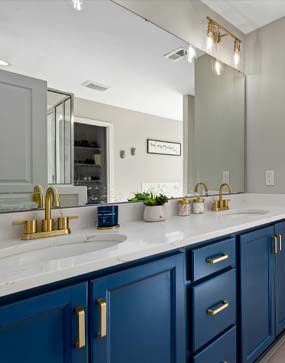
Bathroom renovation cost in Dubai varies because a bathroom can be updated at several levels. A light upgrade may include replacing fixtures, refreshing silicone, changing accessories, painting the ceiling, improving lighting, or replacing a vanity. A standard renovation may include demolition, waterproofing, new tiles, updated sanitaryware, plumbing adjustments, vanity, mirror, shower glass, lighting, and final finishing. A premium bathroom may add large-format tiles, concealed mixers, custom vanities, niches, feature lighting, high-end fixtures, walk-in shower details, and more complex installation.
For the full planning context, read the main bathroom renovation in Dubai guide before using this cost breakdown.
Bathrooms are compact, but they are technical. Water, drainage, waterproofing, electrical work, tiling, ventilation, cabinetry, glass, and finishing all need to coordinate. This is why a small bathroom can still cost more than expected. The room may be small, but the work has many stages and several of them cannot be rushed.
The most useful way to understand bathroom cost is to identify what is changing and what must be repaired. Are you keeping the layout? Is there leakage? Does the waterproofing need to be redone? Are tiles being replaced fully or partially? Is the vanity custom-made? Are fixtures standard or premium? Is the bathroom in an apartment with building rules or in a villa with more flexible access? These answers shape the estimate.
For a fast planning range, use the bathroom renovation cost calculator and include whether waterproofing, full tiling, fixture changes, and vanity work are part of the scope.
Small Bathroom Cost Factors
Small bathrooms are common in Dubai apartments, guest suites, and older properties. Because space is limited, every fixture position matters. A small bathroom renovation may include removing old tiles, checking plumbing, waterproofing, installing new floor and wall tiles, replacing the toilet, vanity, mixer, shower set, mirror, lighting, accessories, silicone, and paint. Even when the layout stays the same, the work involves several trades.
Small bathrooms can become more expensive when the layout is difficult. Tight corners, awkward door swings, old plumbing, weak drainage, or poor ventilation add complexity. Large-format tiles can look modern in a small bathroom, but they need accurate cutting and substrate preparation. Shower glass may need custom sizing. A wall-hung vanity can make the room feel bigger, but it needs proper fixing and plumbing coordination.
The best value in small bathrooms often comes from practical upgrades: improved drainage, proper waterproofing, a better vanity, good mirror lighting, easy-clean tiles, and a shower layout that feels less cramped. Decorative details can be added, but they should not come before the technical basics.
Master Bathroom Cost Factors
Master bathrooms usually involve more surface area and more design decisions. They may include a larger vanity, double basin, walk-in shower, bathtub, feature wall, premium tiles, concealed mixers, niches, custom mirrors, better lighting, and additional storage. The larger the bathroom, the more tile, waterproofing, grout, adhesive, lighting, and finishing it needs.
Premium fixtures can move the cost significantly. Branded mixers, rain showers, wall-hung toilets, concealed cisterns, frameless shower glass, custom vanities, stone countertops, and integrated LED mirrors all add to the budget. These items can be worth it in a long-term personal home, but they should be selected early so plumbing and electrical work are planned correctly.
Master bathrooms should also be planned for comfort. Storage, towel placement, mirror lighting, ventilation, shower drainage, and cleaning access matter just as much as visual style. A bathroom that looks luxurious but has poor storage or weak drainage will disappoint in daily use.
Waterproofing and Preparation
Waterproofing is one of the most important cost areas. It is also one of the easiest to underestimate because it sits beneath the visible tiles. A proper renovation should include surface preparation, waterproofing in wet zones, attention to wall-floor junctions, drain areas, corners, and pipe penetrations. If the bathroom had leakage before renovation, the cause should be investigated.
Preparation can add cost when old surfaces are weak, uneven, damp, or damaged. Removing tiles may reveal problems behind the wall or floor. Plumbing may need repair. Floor slope may need adjustment. These items are not decorative, but they protect the bathroom and surrounding areas.
Do not reduce cost by skipping waterproofing or rushing preparation. If the budget is tight, simplify visible finishes before compromising the hidden layers. A good-looking bathroom with weak preparation can become expensive later.
Tile Selection and Installation
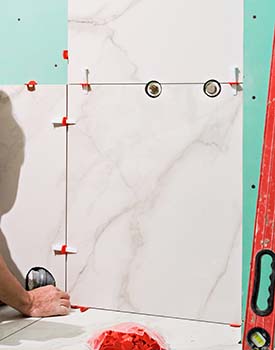
Tile choice affects material cost and labor. Standard tiles with simple layouts are usually easier to install. Large-format tiles, patterned tiles, marble-look slabs, mosaics, niches, and feature walls require more planning and cutting. Floor tiles need slip resistance. Shower areas need proper slope and drain coordination. Grout color affects maintenance and appearance.
Tile installation cost is also affected by surface condition. Walls and floors may need leveling. Old adhesive may need removal. Corners may need straightening. A clean tile finish depends on the base underneath. If the base is uneven, even expensive tiles can look poor.
Before approving tile work, discuss layout. Where will cuts fall? Which wall is the feature wall? How will tile edges be finished? Where will niches, drains, shower glass, and vanity lines meet the tile? These decisions affect both cost and final appearance.
Plumbing, Fixtures, and Sanitaryware
Plumbing changes increase cost because they require more labor, materials, and risk management. Keeping the toilet, shower, and basin in the same position is usually simpler. Moving fixtures may improve the layout, but it must be checked against drainage, water lines, wall thickness, building constraints, and access for maintenance.
Fixture selection also affects the budget. Standard exposed shower mixers are simpler than concealed systems. Wall-hung toilets need concealed cisterns and proper support. Premium mixers, rain showers, smart toilets, special drains, and designer accessories cost more and may require specific installation details.
Buy fixtures early enough for the contractor to check dimensions and compatibility. A vanity, mixer, basin, toilet, and shower glass all need to work with the layout. Late choices can delay the project or require changes.
Vanity, Storage, and Mirror Costs
The vanity is a major cost and usability item. Ready-made vanities may be more affordable, but they may not fit perfectly. Custom vanities can use space better and match the design, but they cost more because of fabrication, materials, hardware, countertop, and installation. In bathrooms, moisture resistance and edge sealing are important.
Storage should not be ignored. A small bathroom with no storage becomes cluttered quickly. Mirrored cabinets, drawers, niches, recessed shelves, and vanity storage can make the room easier to use. These features add cost, but they can be practical investments.
Mirrors and lighting also affect the total. A simple mirror costs less than an LED mirror or custom mirror with integrated lighting. However, good mirror lighting can improve daily use significantly, especially in master bathrooms.
Ventilation, Lighting, and Electrical Work
Ventilation is important in Dubai bathrooms because moisture can damage paint, silicone, cabinetry, and ceilings. If the exhaust fan is weak or noisy, renovation is the right time to improve it. Electrical work may include ceiling lights, mirror lights, shaver sockets, exhaust fan, LED niches, or under-vanity lighting. These should be planned according to wet zones and safety requirements.
Lighting choices affect both cost and comfort. A single ceiling light is often not enough. Mirror lighting, shower-safe lighting, and soft accent lighting can make the bathroom feel better. But decorative lighting should not replace practical illumination. Drivers and access points should be serviceable.
Hidden Items in Bathroom Quotes
Bathroom quotes should be checked carefully. Ask whether demolition, disposal, waterproofing, tile adhesive, grout, plumbing materials, fixtures, vanity, mirror, shower glass, lighting, exhaust fan, painting, silicone, accessories, cleaning, and snagging are included. If some items are supplied by the client, check who is responsible for delivery, compatibility, and installation.
Also ask how variations are handled if hidden issues are discovered. Older bathrooms may reveal damaged plumbing, weak substrate, or moisture after demolition. A transparent process prevents surprises and rushed decisions.
How to Get a Reliable Estimate
Send clear photos of the bathroom, approximate dimensions, fixture preferences, tile ideas, and notes about problems such as leaks, smells, poor drainage, or weak ventilation. Mention whether you want to keep the same layout. If you have inspiration images, explain what you like about them. Renovator can then advise whether your bathroom needs a cosmetic upgrade, standard renovation, or deeper technical repair.
Cost-Saving Without Risking the Bathroom
Bathroom cost can be controlled, but the hidden technical work should not be the first place to cut. Keep the existing fixture layout if it works. Choose durable mid-range tiles instead of premium feature tiles everywhere. Use one feature wall rather than covering every wall with expensive tile. Select practical sanitaryware from reliable ranges. Choose a simple custom vanity instead of a complex one with too many details. Keep decorative lighting controlled.
Do not remove waterproofing, proper drainage preparation, plumbing checks, or ventilation just to reduce the number. These are the parts that protect the bathroom. If the budget is tight, simplify the look before weakening the system. A clean, well-waterproofed bathroom with practical fixtures is better than a dramatic bathroom with poor preparation.
Questions to Ask Before Approval
Before approving the quote, ask what happens after demolition if hidden issues appear. Ask whether waterproofing is included, which areas are treated, how long curing takes, and whether plumbing changes are included. Ask whether tile supply is included or separate. Ask who supplies sanitaryware, shower glass, vanity, mirror, lights, exhaust fan, and accessories. Ask whether final silicone, cleaning, and snagging are included.
These questions help you compare quotes fairly. They also reveal whether the contractor has considered the full bathroom system or only the visible finish. Renovator can use your photos, dimensions, and preferences to prepare a scope that protects the technical work while giving you control over design choices.
Final Budget Planning Advice
Treat the bathroom as a system. The tiles, vanity, fixtures, lighting, and mirror are visible, but the preparation, waterproofing, drainage, plumbing, ventilation, and silicone details decide how well the bathroom performs. If the total estimate is higher than expected, simplify the visible design first. Choose one feature wall instead of several, use practical tiles, keep the plumbing layout if it works, and select reliable mid-range fixtures.
Do not approve a bathroom renovation only because the price is low. A low number can become expensive if it excludes waterproofing, disposal, plumbing materials, shower glass, vanity, mirror, lighting, or final finishing. A clear scope helps you protect the budget and the property. Renovator can help separate essential technical work from optional design upgrades so the final bathroom is both attractive and durable.
For a stronger first estimate, decide whether the bathroom should be practical, premium, rental-ready, family-friendly, or designed for long-term personal use. That decision helps select the right tiles, fixtures, vanity, lighting, and waterproofing scope. It also prevents the quote from becoming a mix of unrelated upgrades. A focused bathroom brief keeps the budget easier to control and gives the renovation team a clear standard for handover.
Related service
Bathroom Renovation Services
Transform your bathroom with Renovator’s expert renovation services in Dubai. From modern designs to complete makeovers, we deliver luxury and functionality.
Bathroom Renovation
Bathroom Waterproofing in Dubai: What Homeowners Should Know
A practical guide to waterproofing decisions before renovating a bathroom in Dubai.
Read the Guide
Bathroom Renovation
Bathroom Renovation in Dubai: Cost, Layouts, Waterproofing & Finishes
A practical guide to bathroom renovation planning, waterproofing, tiling, fixtures, ventilation, and small-space decisions in Dubai.
Read the GuideRenovator advice
Ready to plan your renovation?
Send us photos of your space on WhatsApp and our team will guide you on the next steps.