Bathroom Renovation
Bathroom Renovation in Dubai: Cost, Layouts, Waterproofing & Finishes
A practical guide to bathroom renovation planning, waterproofing, tiling, fixtures, ventilation, and small-space decisions in Dubai.
Renovator advice
Want help with this project?
Share your space and goals with Renovator on WhatsApp.

Start With the Bathroom Problems
Bathroom renovation in Dubai often begins with a visible problem: old tiles, poor drainage, leakage, damaged silicone, weak ventilation, a cramped shower, outdated sanitaryware, or a vanity that no longer suits daily use. But the visible problem is only part of the story. Bathrooms combine water, drainage, waterproofing, tiling, plumbing, electrical work, ventilation, storage, and finishing in a compact space. If the hidden layers are ignored, a bathroom can look new while still carrying the same problems underneath.
The first step is to define why the bathroom is being renovated. A cosmetic refresh may focus on fixtures, vanity, mirror, lighting, paint, accessories, and silicone. A deeper renovation may include demolition, plumbing adjustments, waterproofing, new tiles, shower enclosure, sanitaryware, lighting, ventilation, and custom storage. A layout change may involve moving fixtures, changing the shower area, replacing a bathtub, adding a walk-in shower, or improving accessibility.
Dubai bathrooms also vary by property type. Apartment bathrooms may have strict drainage and shaft limitations. Villa bathrooms may allow more layout flexibility but can involve larger wet zones and more fixture choices. Rental properties need durable, easy-maintenance finishes. Personal homes can justify more custom vanities, premium lighting, and design detail. The right plan depends on use, condition, budget, and how long you expect the renovation to last.
Waterproofing Is the Foundation
Waterproofing is the most important part of a bathroom renovation because it protects the structure beneath the visible finish. Tiles and grout are not a waterproofing system by themselves. They are the surface layer. The waterproofing layer, slope, drain detailing, wall preparation, corners, pipe penetrations, and shower zone treatment all matter. If this stage is rushed or skipped, the bathroom may develop leaks, damp smells, loose tiles, or damage to nearby rooms.
A good bathroom scope should identify wet areas clearly. The shower floor, shower walls, floor around drains, corners, and transitions around fixtures need careful preparation. If a bathtub is removed and replaced with a walk-in shower, the waterproofing strategy may change. If a bathroom has previous leakage, the cause should be investigated rather than covered. Existing moisture or damaged substrate can affect the new work.
Waterproofing also needs time. Some materials require curing before tiling. Rushing this stage can compromise the result. This is why a realistic bathroom timeline should include preparation, waterproofing, curing, testing where appropriate, and then tile installation. A bathroom renovation that seems slower during preparation may be better protected in the long run.
For a deeper technical look at this step, read the focused guide to bathroom waterproofing in Dubai.
Layout and Space Planning
Bathroom layout determines comfort more than many homeowners expect. In a small Dubai apartment bathroom, the position of the door, vanity, toilet, shower glass, towel rail, and storage can decide whether the room feels practical or cramped. Even if fixtures stay in the same locations, small changes can make a difference: a wall-hung vanity, mirrored cabinet, sliding shower door, recessed niche, or better lighting can make the space feel larger and easier to use.
For master bathrooms, the layout may focus on comfort and finish quality. A walk-in shower, larger vanity, better mirrors, concealed storage, feature tiles, and layered lighting can make the room feel more premium. Guest bathrooms may prioritize durability, easy cleaning, and a polished first impression. Powder rooms can become design features because they do not always have the same wet-area requirements as full bathrooms.
Moving plumbing points can improve a layout, but it should be planned carefully. Drainage slope, pipe routes, wall thickness, building restrictions, and access for maintenance all matter. Sometimes keeping the plumbing in place and improving the fixtures, storage, lighting, and finishes provides better value than forcing a complicated layout change.
Tiles, Grout, and Surface Selection
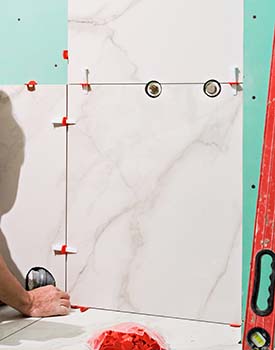
Tiles shape the appearance of the bathroom, but they also affect cleaning, safety, installation time, and long-term maintenance. Porcelain tiles are popular because they are durable and available in many finishes. Ceramic tiles can be suitable for walls and lighter-use areas. Marble and natural stone can look premium but need more care and sealing. Large-format tiles can make a bathroom feel calmer and more modern, but they require accurate substrate preparation and skilled installation.
Slip resistance matters on floors, especially in shower areas. A tile that looks beautiful when dry may be unsafe when wet. Grout color also affects maintenance. Very light grout can show staining more easily, while very dark grout can show residue in hard-water conditions. Epoxy grout may be useful in some situations but should be chosen with installation requirements in mind.
Tile layout should be planned before installation. The position of cuts, niches, drains, shower glass, vanity edges, and feature walls should not be left entirely to chance. Good tile planning reduces awkward slivers, improves symmetry, and makes the bathroom look more intentional. This is especially important when using large-format tiles, patterned tiles, or bookmatched stone-look surfaces.
Fixtures, Sanitaryware, and Vanities
Fixtures should be selected for quality, compatibility, and maintenance, not only appearance. Mixers, shower systems, toilets, drains, angle valves, and accessories all need to suit the water pressure, wall conditions, and available space. Concealed systems can look clean, but they need careful installation and access planning. Exposed systems may be easier to maintain and can still look refined when chosen well.
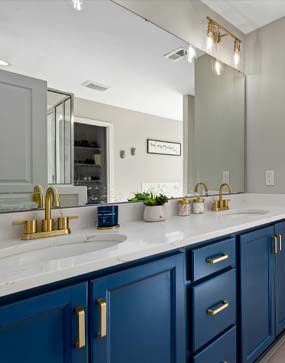
The vanity is one of the most used parts of the bathroom. A custom vanity can improve storage and suit awkward dimensions, but it must be designed for moisture. Materials, edge sealing, countertop choice, basin type, drawer runners, and wall fixing all matter. A vanity that is beautiful but poorly protected from water will not age well. Wall-hung vanities can make floors easier to clean and help small bathrooms feel lighter.
Mirrors and cabinets also affect daily use. A mirrored cabinet can add storage without taking extra floor space. Integrated lighting can be useful, but it should not create glare. If a bathroom is used for grooming, the lighting around the mirror should be practical and flattering, not only decorative.
Ventilation and Moisture Control
Ventilation is a common pain point in Dubai bathrooms. Poor ventilation can lead to damp smells, condensation, mold around silicone, damaged paint, and faster wear on cabinetry. Even with air-conditioning in the home, bathrooms need a way to remove moisture after showers. If the existing exhaust fan is weak, noisy, or poorly located, renovation is the right time to review it.
Moisture control is not only about the fan. Shower glass design, floor slope, drain position, silicone quality, tile selection, and how water moves through the room all contribute. A shower area that constantly sends water toward the door or vanity will create maintenance issues. A floor that does not drain well will feel unpleasant and may shorten the life of finishes.
Painted bathroom ceilings and non-tiled walls need suitable preparation and paint. Standard wall paint may not handle moisture well. If the ceiling has stains or peeling paint, the cause should be addressed before repainting. Good ventilation, proper surface preparation, and suitable paint work together.
Lighting Design
Bathroom lighting should be practical, safe, and comfortable. A single ceiling light often creates shadows at the mirror and makes the room feel flat. Layered lighting can include ceiling lights, mirror lighting, vanity lighting, shower-safe lighting, niche lighting, or soft decorative accents. The exact solution depends on the bathroom size and electrical plan.
Lighting around the mirror is especially important. If light comes only from above, it can cast shadows on the face. Side or integrated mirror lighting can improve daily use. Warm white lighting often feels more comfortable, but the color temperature should coordinate with the rest of the home. Very cool lighting can make the bathroom feel clinical.
Electrical safety is essential in bathrooms because water and electricity share the same space. Light fittings, switches, sockets, and drivers should be planned according to wet zones and practical access. If LED mirrors or concealed lighting are used, maintenance access should be considered.
Cost Factors in Dubai
Bathroom renovation cost in Dubai depends on bathroom size, demolition, plumbing changes, waterproofing, tile selection, sanitaryware, vanity, shower glass, lighting, ventilation, and finishing standard. A small guest bathroom with same-location fixtures has a different cost profile from a master bathroom with premium tiles, custom vanity, walk-in shower, concealed mixer, niche lighting, and plumbing changes.
The bathroom renovation cost calculator is useful when you want a planning range based on bathroom size, scope, waterproofing, fixtures, tiling, and finish level.
When reviewing a quote, check whether it includes demolition, disposal, waterproofing, tile adhesive, tile installation, grout, floor slope preparation, plumbing adjustments, sanitaryware, vanity, mirror, shower glass, lighting, exhaust fan, painting, silicone, accessories, and final testing. If waterproofing or plumbing details are vague, ask for clarification. These hidden items are central to bathroom quality.
It is also important to understand what is supplied by the contractor and what is supplied by the client. Some homeowners prefer to buy tiles and sanitaryware directly. That can work, but dimensions, compatibility, delivery timing, and warranties need coordination. Late fixture delivery can delay installation.
Bathroom Renovation Timeline
A bathroom renovation typically starts with protection and demolition, followed by inspection of the existing condition. Plumbing adjustments come next if fixture positions change or old lines need attention. Waterproofing and substrate preparation follow. After curing and checks, tiling begins. Then fixtures, vanity, shower glass, lighting, mirror, accessories, silicone, painting, cleaning, and snagging are completed.
Small bathrooms can still take time because several stages cannot be rushed. Waterproofing, tile adhesive, grout, silicone, and paint all need proper sequencing. If a bathroom is the only bathroom in the home, planning becomes even more important. The homeowner should understand when the bathroom will be out of use and whether temporary arrangements are needed.
For multiple bathrooms, a phased approach may reduce disruption. However, doing related works together can sometimes save time and coordination effort. The best sequence depends on whether the property is occupied, the number of bathrooms, and the extent of plumbing or tile work.
Common Mistakes to Avoid
One of the biggest mistakes is treating bathroom renovation as a surface upgrade only. If the old bathroom has leaks, drainage problems, or ventilation issues, new tiles will not solve the root cause. Another mistake is choosing tiles before confirming layout and slope details. Tile size affects cuts, drain alignment, and installation difficulty. A third mistake is buying fixtures without checking dimensions and compatibility.
Avoid under-planning storage. Bathrooms need space for cleaning products, toiletries, towels, spare items, and daily-use products. Without storage, even a new bathroom quickly becomes cluttered. Avoid overusing decorative lighting without practical mirror lighting. Avoid selecting a vanity material without considering moisture. Avoid accepting a quote that does not explain waterproofing and plumbing assumptions.
How Renovator Can Help
Renovator can help plan bathroom renovation as part of a single-room upgrade or a wider home renovation. The process begins with understanding the current problems, desired finish level, property type, and whether fixture locations will change. From there, the scope can include waterproofing, tiling, plumbing, sanitaryware, vanity, lighting, ventilation, painting, and final finishing.
Before requesting an estimate, take clear photos of the bathroom, including the shower area, vanity, toilet, ceiling, floor drain, and any damaged areas. Note whether there are leaks, smells, poor drainage, weak ventilation, or storage problems. Share inspiration images and mention whether the home is occupied. This helps Renovator recommend the right level of renovation and avoid treating a technical problem as only a design update.
Related service
Bathroom Renovation Services
Transform your bathroom with Renovator’s expert renovation services in Dubai. From modern designs to complete makeovers, we deliver luxury and functionality.
Bathroom Renovation
Bathroom Waterproofing in Dubai: What Homeowners Should Know
A practical guide to waterproofing decisions before renovating a bathroom in Dubai.
Read the Guide
Bathroom Renovation
Bathroom Renovation Cost in Dubai: Small, Master & Luxury Bathrooms
A cost guide for small, master, and premium bathroom renovations in Dubai.
Read the GuideRenovator advice
Ready to plan your renovation?
Send us photos of your space on WhatsApp and our team will guide you on the next steps.